Elections: APM

Candidates

President-Elect

John M. Inadomi, MD

John M. Inadomi, MD

Dear Members of the APM Selection Committee, I am writing to formally nominate myself for the position of President-Elect of the Association of Professors of Medicine (APM). It is with great enthusiasm and commitment that I seek this opportunity to lead our esteemed association, building on the foundational goals of APM while also advancing our mission in new and impactful ways.

The APM was established in 1954 with the vision of enhancing medical education, fostering research, and promoting exemplary clinical practices. As I reflect on our initial goals, I am inspired by the potential we have to make a meaningful difference in the lives of our students, faculty, and the communities we serve. My vision for the future of APM encompasses three key initiatives that I believe will significantly enhance our association’s impact.

First, I aim to expand the APM to include a leadership team comprised of Vice Chairs, Division Chiefs, Department Administrators and other leaders. By incorporating these vital leadership roles, we can foster a more collaborative environment that encourages shared governance and diverse perspectives. Leadership is a “team sport” and expansion of our APM membership reflects the multi-disciplinary approach necessary to achieve the tripartite goals of Departments. This broader representation will not only strengthen our decision-making processes but also ensure that the voices of those leading in various capacities are heard and valued during our meetings and in our communications.

Second, I propose we create and disseminate a comprehensive toolbox of leadership interventions tailored for Chairs of Medicine. This resource will provide evidence-based strategies and best practices that can be implemented to enhance research, education, clinical practice, and community engagement. By equipping our leaders with the tools they need, we can collectively elevate the standards of our institutions and improve outcomes across the board. I believe we have already developed the majority of content for this toolbox as part of our annual meeting presentations and webinars – the next step is to collate and revise the content to a format suitable for viewing via a website or smartphone.

Lastly, I would like to extend the vision of our current President, Dr. Kathy Cooney, who has initiated development of a year-long curriculum that extends the current annual winter meeting into a virtual monthly follow-up format. This initiative will allow us to maintain momentum throughout the year, fostering ongoing dialogue and continuous professional development. By embracing a hybrid approach, we can reach a wider audience and accommodate varying schedules, ensuring that all members have access to valuable learning opportunities.

In conclusion, I am passionate about the future of APM and am committed to working collaboratively with each of you to achieve our shared goals. I believe that together, we can not only honor the legacy of our association but also pave the way for innovative advancements in medical education, discovery, and practice. Thank you for considering my candidacy. I look forward to the opportunity to serve our association and its members. Sincerely, John M. Inadomi, MD

President-Elect

Michael S. Parmacek, MD

Michael S. Parmacek, MD

The APM plays a valuable role in supporting Chairs of Medicine as we navigate the challenges facing academia and medicine. I have served as Chair of Medicine at the University of Pennsylvania Perelman School of Medicine (PSOM) since 2014. Through my tenure I have gained valuable experience from navigating the challenges that our department has faced and continues to face. My association with the APM has provided me with a rich network of colleagues providing diverse perspectives and advice across the broad range of issues we face as Chairs. I have been an APM member since 2014 and I served on the APM Council from 2017-2022. As a Council member, I served on the APM Nominating Committee and the APM/AAIM Finance Committees. My most rewarding, and impactful, APM experience was serving as Chair of the APM Winter Meeting Organizing Committee from 2017-2022. I also served as Co-organizer of the New Chair’s Meeting in 2016 and 2017. I believe that my past and ongoing professional experiences as Chair of Medicine at Penn coupled with a keen understanding of the APM has positioned me well to serve as President-elect of the APM.

As President-elect, I would organize programs bridging the dominant themes of interest that bind the APM members together. These themes include:

  • Building an effective Departmental leadership team including considerations of organizational structure, leadership competencies and establishing a culture of accountability and responsibility.
  • Navigating the transition from a “traditional” academic medical center to regional health systems.
  • Understanding the economics of healthcare, departmental finance, and institutional funds flow.
  • Innovation in medical education and the unique and significant role that Departments of Medicine play in training medical students, residents, and specialty fellows.
  • Catalyzing biomedical discovery, clinical investigation, health services research, and health policy.
  • Establishing a departmental culture that recognizes the value of inclusive excellence and support for our communities.
  • Promoting faculty wellbeing and combating burnout.

We are living through a challenging period for medicine, academia, and science. Leadership is tested at times like this, and Chairs of Medicine play a critical role in maintaining focus and balance between each of our core missions! The network of colleagues who compose the APM can play a key role in discussing our shared challenges and developing sound solutions. Through my experiences as Chair and as an APM member, I would organize programs and activities focused on addressing each of these challenges. I would also promote more activities at our Winter Meeting directed toward building stronger bonds with my colleagues. Thank you very much for your consideration.

Councilor

Timothy S. Blackwell, MD

Timothy S. Blackwell, MD

I am honored to be a candidate for Councilor of the Association of Professors of Medicine (APM). It would be a great privilege to serve and to represent my colleagues who lead internal medicine departments across the country.

The rapid pace of change in healthcare, along with threats to research funding, have made this a particularly challenging time in academic medicine. As a result, professional organizations like APM are crucial for developing and supporting visionary leaders in academic medicine who can secure a successful future state where the tripartite mission of clinical care, education, and research can flourish. If elected to the APM council, I will support and advocate for APM initiatives aiming to effectively train and mentor the next generation of leaders in academic medicine.

Although I have been Chair of Internal Medicine at the University of Michigan for less than 2 years, I have a long history of leadership in clinical care, basic and translational research, and development of academicians. I have practiced Pulmonary and Critical Care Medicine for 30 years and currently direct a laboratory that has been continuously supported by the NIH and VA since 1998. Prior to moving to Michigan, I served as a Division Chief for 17 years at Vanderbilt University School of Medicine. I have supervised the training of >150 fellows, led a T-32 training grant for many years, and have personally trained >40 graduate students, post-doctoral fellows, and junior faculty, many of whom are now leaders in academic medicine. I am passionate about mentoring and career development support for scientists and academic clinicians, and I have established and led a number of programs and initiatives to achieve these goals.

For academic internal medicine to survive and thrive in the years to come, I believe it is essential that we find new, creative ways to identify and nurture the next generation of physician-scientists, despite the uncertainty and challenges facing this group. If elected, I will work to identify ways in which APM can further support physician-scientist career development from early training through the junior and mid-level faculty years. Similarly, mentoring and career development support are critical for clinical track faculty, who account for most of the growth of academic departments over the last decade. For clinical track faculty, surviving and thriving in academic medicine requires a commitment to mission and the ability to make contributions beyond day-to-day clinical activity. In spite of the ever-mounting pressure for clinical productivity, I believe that APM can be a consistent voice to advocate for creating and maintaining a climate that supports academic pursuits across all faculty tracks as a means to improve job satisfaction, reduce burn-out, and enhance the impact of our talented faculty. Timothy S. Blackwell, MD

Councilor

Cynthia J. Brown, MD

Cynthia J. Brown, MD, MSPH

I am eager to serve as a Councilor for the Association of Professors of Medicine (APM) because I believe deeply in its mission to champion the tripartite goals of academic internal medicine. Beyond the policy work, I value the APM as a vital professional home for Chairs of Medicine. The role of a Chair can often feel incredibly lonely; we are frequently caught between the competing pressures of health system mandates, faculty needs and evolving educational standards. Having a dedicated space to connect with peers who truly understand these unique stresses is invaluable, and I want to help ensure the APM remains a robust community of support.

I bring the perspective of someone who has served as a Chair for five years, navigating the complexities of departmental leadership during a period of significant transition in healthcare. My experience is complemented by my service in other national organizations, which has given me a broad view of the challenges facing our profession and the skills needed to advocate effectively on a larger stage. I am particularly passionate about faculty and leadership development, believing that our greatest asset is the people we lead. I am committed to fostering a culture that invests in the next generation of academic leaders and ensures that all faculty have the support they need to thrive.

My primary motivation for joining the council is to provide a voice for smaller, less research-intensive institutions. While the "giants" of the field often set the national narrative, institutions like mine face a different set of day-to-day realities. I believe the APM is strongest when its leadership reflects the full spectrum of academic medicine, ensuring that the advocacy and resources provided are practical for every Chair, regardless of their institution’s size or research portfolio.

Ultimately, I want to contribute to a culture where no Chair feels they are navigating these hurdles in isolation. By fostering collaboration and ensuring that the concerns of all programs are front and center, we can develop more inclusive, evidence-based strategies that strengthen the entire field. I look forward to the possibility of giving back to the community that serves as such a critical anchor for us all.

Councilor

Mark Dransfield, MD

Mark Dransfield, MD

My name is Mark Dransfield and I am the new Chair of Medicine at the Heersink School of Medicine at the University of Alabama at Birmingham (UAB). After graduating from the University of North Carolina School of Medicine, I completed my residency and fellowship at UAB before joining faculty in 2003. I became Professor of Medicine in 2016 and served as the Director of the Division of Pulmonary, Allergy, and Critical Care from 2021 until becoming Chair in September 2025. I have also served as a staff physician at the Birmingham VA Medical Center since 2003. My primary clinical and research interests have been COPD and lung cancer, and I have had had funding from the NIH, Department of Defense, Department of Veterans Affairs, and the American Lung Association. I am a member of the American Society for Clinical Investigation and currently serve as the Editor in Chief of COPD: Journal of the COPD Foundation and as Chair of the Lancet Commission on COPD. In my role as Chair, I represent the more than 550 faculty, 250 trainees, and one thousand staff of the Department of Medicine that serve the fifth largest hospital in the United States. Like all of us, UAB is navigating a number of existential threats including pressures from reduced federal research funding and clinical reimbursement, as well as to our educational mission from our expanding clinical footprint and responsibilities. My vision for the Council is to provide a sounding board and to collect and share experiences from our diverse membership as we tackle the challenges facing academic medicine and to advocate for the best practices and policies needed to support our missions.

Councilor

Nathan E. Goldstein, MD
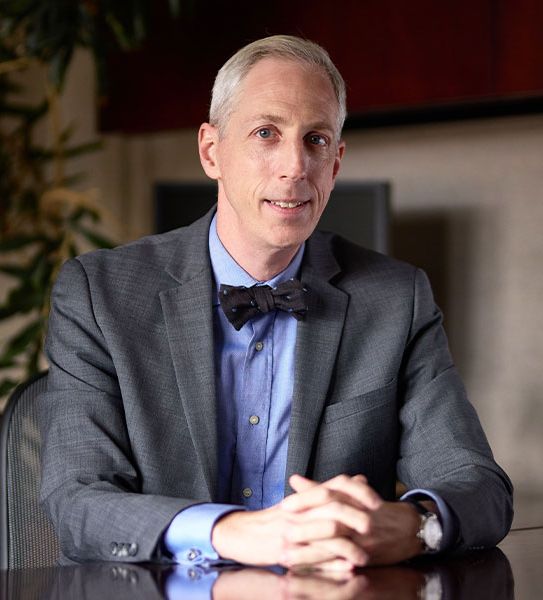
Nathan E. Goldstein, MD

I am a general internist by training, board certified in internal medicine, geriatrics, and hospice and palliative medicine, and I currently serve as Chair of the Department of Medicine at Dartmouth Health and the Geisel School of Medicine, a role I began in March 2024. Throughout my career, I have been drawn to work that sits at the intersections between medicine and humanity, between specialties, and between individual patient care and the systems that support it.

My clinical roots are in caring for older adults and people living with serious illness. That work has shaped how I think about leadership. As a geriatrician and palliative care physician, I have learned the importance of listening carefully, communicating clearly, and building trust across disciplines. These same skills are essential as we navigate the growing complexity of academic internal medicine and work to maintain meaning, purpose, and excellence in our work.

As a new department chair, I bring a fresh and very current perspective to APM and AAIM. I am deeply engaged in the challenges many of us face every day: supporting early- and mid-career faculty, balancing clinical demands with academic missions, recruiting and retaining a diverse workforce, and adapting to rapid change. After having lived and practiced in NYC for more than 20 years before coming to my current role, leading in rural New England has further shaped my outlook. Rural academic medical centers face real constraints, but they also offer powerful opportunities for innovation, community partnership, and re-imagining care delivery. I believe those perspectives are critical to the broader conversation within APM. I am also deeply committed to ensuring that APM reflects the full diversity of our field -- not only in who we are, but in whose voices are heard. Creating space for perspectives across career stages, identities, disciplines, and institutional contexts strengthens our collective work and leads to better decisions for academic internal medicine.

I also bring experience leading a national professional society. I previously served as President of the American Academy of Hospice and Palliative Medicine, which gave me a deep appreciation for what it means to serve a membership organization, including understanding the importance of listening to members, building relevant programming, and aligning governance with mission and values.

If elected, I would approach service on the APM Council with curiosity, humility, and a strong commitment to collaboration. I am passionate about ensuring that academic internists, across career stages, practice settings, and institutional types, continue to shape the future of our field together. Thank you for your consideration. Nathan E. Goldstein, MD

Councilor

Susan B. Gurley, MD, PhD

Susan B. Gurley MD PhD

My activity in APM has reflected my career stage and I feel as if I have “grown up” as a chair with this group and as such, have benefitted tremendously from the networking and mentoring. I bring experience as a physician scientist and from three distinctly different AMCs. My current belief is that “highly matrixed” is somehow still inadequate at describing the current complex structure of most AMCs, yet this is our reality. Having experienced substantial time as an interim chair and then being recruited to a new institution as chair, I can offer the experience of academic leadership along this journey. Put simply, it is a job title that may stay the same while everything else changes quickly!

My vision as councilor would be to emphasize and support chair leadership development. I am passionate about this given the importance of our voice in academic medicine. Moreover, I strongly believe our voice is strengthened by the mission of the APM. We come from a number of different career paths (laboratory science, outcomes research, clinical education, administration) and converge on the enormous responsibility of leading departments of internal medicine. Fortunately, departmental leadership includes a diverse team of talent (financial, administrative, educational, operational) which deepens our bench and increases our potential impact. This wide-ranging set of experiences is one of our super powers! Leadership development will allow us to exercise this power for positive impact. I sincerely believe that being a chair of medicine is a position of tremendous honor but one of significant challenge, today more than ever. The APM allows us not to be alone and this sentiment cannot be stated any better than AAIM’s Even Better Together.

My current institution (Keck School of Medicine of USC) positions me to bring representation from the West Coast and I am eager to join existing council members and officers. Together, we can support each other as we connect to assert the value of academic internal medicine with a sharp eye toward leading into the future. Thank you for your consideration.