Elections: APDIM

Candidates

President-Elect

Rebecca Berman, MD 

Rebecca Berman, MD

Dear APDIM Community, APDIM has been my academic home since 2013 and for the last three years it has been a joy to serve on APDIM Council. As the IM Residency Program Director at the University of California, San Francisco (UCSF) and a former Primary Care Residency Program Director at Brigham and Women’s, I bring experience running small and large university-based residency programs on both coasts. Being a residency program director can feel overwhelming at times and the collaboration (and commiseration) of my fellow APDIM members has kept me feeling inspired to help mentor and support the next generation of physicians and program directors. As a Council member, I have worked to reduce the friction and stress of the fellowship application process for our residents as a member of the AAIM Fellowship Post-Interview Communication Subcommittee. It would be an incredible honor to help guide the organization as President.

I have a track record of creating community and fostering collaboration within APDIM. I founded the Primary Care forum, now a staple of APDIM meetings, to provide a space for primary care track directors to share best practices. I led this group in the creation of AAIM’s Primary Care Toolkit, soon to be in its fourth edition, providing an opportunity for members to publish peer-reviewed innovative work while helping to strengthen one another’s programs.

When I was recruited to my current role, the generous mentorship of my APDIM network helped me solve problems, big and small. This informal network became my go-to resource whenever I found myself faced with a leadership conundrum. As president, I hope to nurture small “sister networks” for all APDIM members to use as their personal brain trust and source of support as they guide their residencies through challenging waters.

At UCSF, I oversee a large residency, navigating across city, state and federal bureaucracies. Our residency has been at the forefront of diversifying the resident work force and removing structural barriers to wellbeing. As President of the APDIM council, along with fostering connections amongst members, I would help build best practices to create an inclusive learning environment for trainees from all backgrounds along with promoting wellbeing and community. I would continue working to improve the fellowship match process and help support PDs as they shepherd the newest generation into the medical profession.

Leading across generations stands as one of the biggest challenges we face. To help arm my fellow program directors with tools needed to support our residents, I published an article in JGIM on reviving trust amongst pandemic trainees. I speak nationally on a pragmatic approach to leading across generations, including at this fall’s APDIM Presidential Plenary.

APDIM members are inspiring medical educators. I would love to represent community and university programs to the AAIM leadership as APDIM President. If elected, I will bring an open-minded, collaborative, efficient leadership style, award-winning teaching skills, years of experience and extensive managerial expertise along with my commitment to strong mentorship to the position. Thank you for your consideration. Sincerely, Rebecca Berman

President-Elect

Aashish Didwania, MD, FACP 

Aashish Didwania, MD, FACP

I am honored to be considered for APDIM President—a role that aligns with my commitment to advancing internal medicine education.

As president my focus will be on expanding and streamlining faculty development in areas such as leadership skills, identity formation, business of medicine, health equity, and AI—growing content and resources for both community and university programs. Additionally, I will work to unify our voice and shape policies that promote equity and advocacy, while continuing to strengthen partnerships within AAIM and our collaborations with ACGME, Intealth, NRMP, AAMC, and others.

My leadership philosophy is grounded in service, born out of a second-generation immigrant mentality, and now reinforced as a father to twin tweens. My clinical work in primary care aligns with my medical education philosophy - support people holistically and promote inclusion. While navigating national issues such as pandemics, attacks on science, unionization, pass/fail grading, or signaling, I keep trainees at the center of every decision.

Over two decades, I have dedicated my career to medical education, serving as an APD for six years, residency PD for 12 years, and Vice Chair of Education at Northwestern University. My focus throughout these years has been well-being, equity, and clinical excellence. APDIM has been my professional home since my chief resident year in 2005. This community taught me how to be a PD. I may enjoy reading the APDIM Digest more than the newspaper or scrolling social media! I have been privileged to contribute to AAIM in multiple roles, including Vice Chair of the E-Learning Task Force, Chair of the Faculty Development Initiative Task Force, APDIM Councilor, and currently as a member of the Governance Committee and Director of the Business of Medicine course. I approach each experience with curiosity and a practical lens on implementation.

The most important work in medical education happens before the agenda is set and after the meeting ends. We have always been a community that embraces this tireless work ethic, along with collaboration and bold thinking. I am eager to work alongside you to shape the future of APDIM.

Treasurer

Kathleen M. Finn, MD, MPhil, FACP, SFHM

Kathleen M. Finn, MD, MPhil, FACP, SFHM

I would be grateful for the opportunity to be considered for the role of APDIM Council Treasurer. I have been a member of APDIM for over 15 years and am continually impressed with the thoughtfulness, intelligence, and dedication of this community. I was fortunate to serve as Chair of the Survey and Scholarship Committee, where we found that more than 80% of program directors use their own money to support residents - a clear example of this community’s commitment to education. Serving as chair also allowed me to attend council meetings as a non-voting member, where I observed how council members approached the complex challenges facing residency programs with careful consideration and a focus on realistic solutions. Those experiences strengthened my interest in contributing more formally to the council’s work and AAIM’s Finance Committee.

My career has given me a broad view of the diversity within academic internal medicine. I spent 15 years as an APD at Massachusetts General Hospital, a large and well-resourced academic center, and for the past three years I have served as PD at Tufts Medical Center, a smaller program within a more financially constrained health system. My work on the APDIM Survey Committee further strengthened this awareness: developing survey questions required deliberate attention to the needs of programs across different types, sizes, and locations to ensure the questions would be relevant to all members. These experiences have shaped my understanding of the wide range of institutional structures, challenges, and strengths across programs and the types of residents who train in our community. I would bring this perspective to council discussions and AAIM Finance and Audit Committee meetings and aim to represent the breadth of experiences across APDIM.

I truly enjoy problem solving and working in teams. To help address the growing challenge of application inflation, I participated in the AAIM Residency Application Process Work Group and co-chaired the Student-Program Alignment Subgroup. In that role, I worked with colleagues to strengthen the residency application process and provide more accurate information to all types of students and programs.

Throughout my career - as an educator, medical education researcher, and program leader - I have taken a practical, solutions-focused, and collaborative approach to problem solving. If elected, I would do my best to contribute in that same spirit to help address the issues facing program directors and residents, and support AAIM’s mission. I am grateful for the opportunity to be considered for this position and would welcome the chance to give back to this community and be helpful wherever I am needed.

Councilor

Amna Anees, MD, FACP 

Amna Anees, MD, FACP

I am deeply honored to be considered to serve on the APDIM Council. APDIM has been my professional home since my first AAIM meeting as a third-year chief resident. The Alliance’s commitment to supporting program leaders, advancing faculty development and strengthening Internal Medicine training has been central to my growth as a clinician educator and program leader. Just as importantly, APDIM has provided resources, connections, and mentorship that I have consistently brought back to my home institution to improve resident education, faculty engagement, and program growth.

I am deeply committed to medical education across the continuum and to the professional growth of both learners and faculty. I have had the opportunity to serve on the AAIM UME-GME Competencies Task Force and AAIM Faculty Development Initiative Task Force. I am currently completing a three-year term on the APDIM program planning committee, where I have had the privilege of collaborating with a fantastic team to help plan high quality meetings. My work as a workshop and poster reviewer for APDIM as well as a peer reviewer for other medical education journals reflects my commitment to promoting scholarly and programmatic excellence.

My professional journey includes roles as an academic hospitalist, core faculty, Associate program Director and currently Program Director for the Internal Medicine Residency at Charleston Area Medical Center, WV where I also serve as the Vice Chair of Education. These roles have given me a strong systems level understanding of graduate medical education and the opportunities for growth and collaboration across the medical education continuum and across institutions. I have had the opportunity to collaborate with peers and learners to create innovative curricula on board preparation, ambulatory education, faculty development, and professionalism with an emphasis on sustainability, outcomes and alignment with ACGME milestones.

As a Councilor, my goal would be to contribute to Alliance’s mission to serve as a trusted and inclusive voice in the world of medical education. I am particularly interested in bridging perspectives between small and large programs, community and academic settings and faculty across career stages while advocating for meaningful personal and professional growth for learners and faculty and practical innovations across diverse training environments.

As an international medical graduate, a physician from a diverse background, and a clinician educator who has had the honor of training and working across multiple institutions, I am intentional about representing all voices and seeking a common ground. I highly value transparency, collaboration, and follow through and would take the responsibility of representing our members seriously, with respect and purpose.

I would be grateful for the opportunity to serve on the APDIM Council and welcome the opportunity to discuss this further if helpful. Thank you, Amna

Councilor

Forugh Homayounrooz, MD, FACP 

Forugh Homayounrooz, MD, FACP

Dear Colleagues, Alliance members and Leaders, I have 25 years of experience in medical education and have served as a residency program director for the past 15 years. I am currently a program director at Stamford Hospital/Columbia University Internal Medicine Residency in Stamford, Connecticut. I am also a practicing physician at Optimus Health Care; a Federally Qulified Health Center.

I completed my Internal Medicine Residency at Hospital St. Raphael, Yale University and served as a chief resident. Later, I completed General Internal Medicine Fellowship at University of North Carolina at Chapel Hill.

My research interests and scholarly activities are focused on cultural awareness in community teaching hospitals, resident well-being and educational improvements for residents and medical students. My efforts have led to several publications in medical journals, including works on fostering cultural awareness in teaching hospitals, educational improvements for medical students, COVID-19 patient care, resident well-being during the pandemic and after.

I am also interested in patient safety and quality improvement. I have participated in the ACGME/AAIM ECHO project and have created curriculum in this field in our residency program. I am an active member of ACP CT chapter council and remain involved in issues at the state level.

Over the past 25 years I have been an active member of APDIM/AAIM meetings, first as a faculty and later as program director and served at multiple roles such as poster judge, poster presentations and speaker both in regional (APDIM northeast) and national meetings. I have held workshops at national AAIM meetings on resident wellbeing and third year chief residency.

I have worked with diverse groups of residents and have received national and institutional grants to promote diversity and wellbeing in the residency programs and institution.

I enjoy my engagement in the APDIM community, and I believe by being part of the council I can voice the issues related to Graduate Medical Education that are relevant to community teaching hospitals. My years of experience as an international graduate, educator and program director will empower me to bring unique perspective to the table. Through active collaboration with colleagues from different institutions, together we can build a better future for our great professional society.

It will be an honor to serve as an APDIM council member. If selected, I will be a dedicated, accountable member and wholeheartedly will contribute to this amazing community. Sincerely, Forugh Homayounrooz, MD, FACP

Councilor

Emily Mullen, MD, FACP

Emily Mullen, MD, FACP

My name is Emily Mullen, MD, FACP. I am the inaugural Program Director for the Internal Medicine Residency Program at Lexington Health in West Columbia, South Carolina. I was previously the Program Director at Cone Health in Greensboro North Carolina for almost 5 years and Associate Program Director at the same program for 6.5 years. I studied at the Medical College of Georgia and trained in Internal Medicine, where I completed a 4th Year Chief Year at the University of Florida. I am currently an Assistant Professor at the University of South Carolina School of Medicine. I sit on the Admissions Committee for the School of Medicine. Academic Medicine has formed the bulk of my career, and I consider myself to be a clinical educator. I have worked at community-based programs with university affiliations throughout my career and understand the amenities, collegiality and occasional complications these affiliations can bring to a community program. My research interests lie in the experience of chief residency, specifically the chief residents who serve concurrently during their post-graduate 3 year. I also have experience designing curricula around quality improvement and patient safety, outpatient clinical medicine and addiction medicine. I am dual board in internal medicine and addiction medicine. I hope to bring a community-based perspective to the council and provide insights into the experiences of chief residency and curriculum design around new endeavors like addiction medicine education. My future goals include increased scholarly activity around the experience of chief residency, including selection and training of chief residents. In the next 5 years, I hope to have developed a premier community program in South Carolina, started fellowship programs and continued to add to the academic and education community within Internal Medicine.

Councilor

Sharlet Slough, DO, MBA
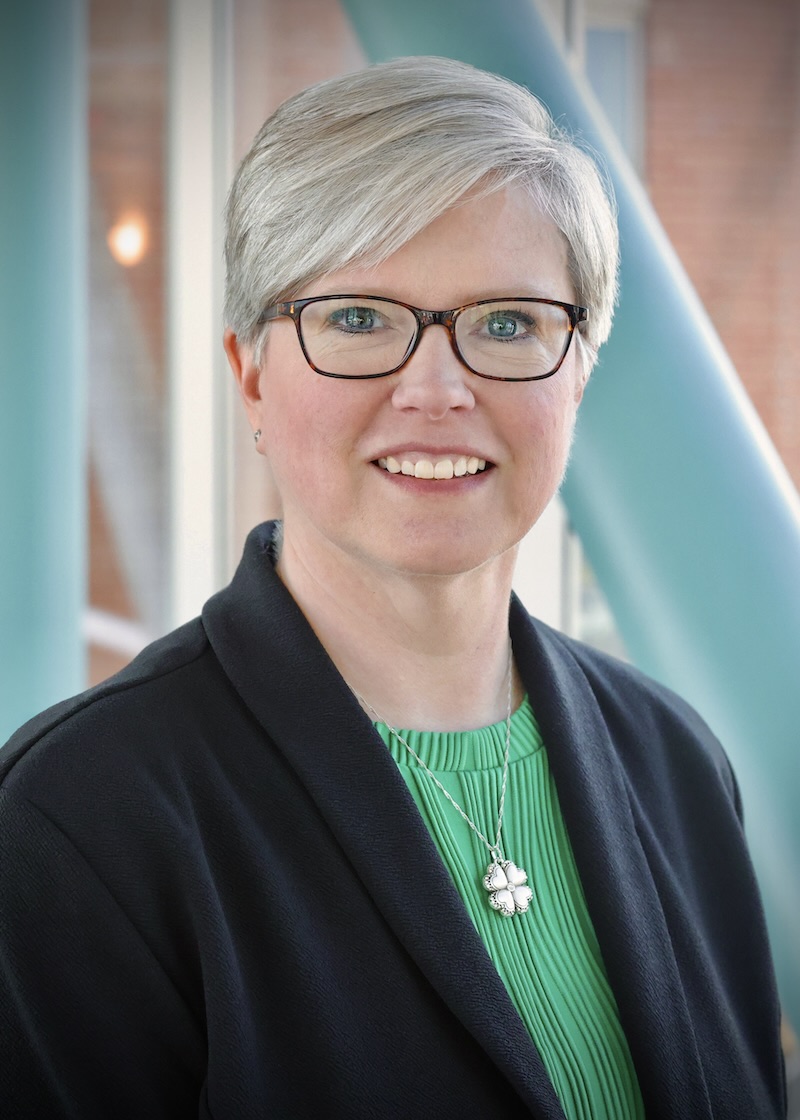
Sharlet Slough, DO

My name is Sharlet Slough, and I am deeply honored to be considered for the opportunity to serve you as Councilor on the APDIM Council. I am the Program Director at Shannon Internal Medicine Residency Program, affiliated with Texas A&M University Naresh K. Vashisht College of Medicine. Shannon IM is a new community-based program in San Angelo, Texas, in rural West Texas.

My vision as an APDIM Councilor is to represent and amplify the voices of internal medicine educators across the full spectrum of program types, career stages, and institutional contexts, with particular attention to community-based, rural, and resource-limited programs that are essential to the future of our workforce. The strength of the Alliance lies in its ability to bring together diverse perspectives and translate shared challenges into practical, innovative solutions that advance resident education, faculty development, and patient care.

I spent sixteen years of my professional life in private practice and rural hospital medicine, where I personally encountered the challenges of workforce shortages, limited resources, and the need for versatile, broadly skilled internists. Mid-career, I moved into academic medicine, taking on increasingly senior leadership roles at my previous institution. Now, I am honored to embrace the challenge of launching a new program as the inaugural Program Director. This combined perspective—community practice and academic leadership—helps me understand both the ultimate goals of training and the complexities of delivering high-quality education within real-world constraints.

Our world is changing faster than ever, especially for new graduates, international colleagues, and patients. It has never been more crucial that we, as physician leaders, not only respond to change but also drive it. The challenges faculty face as they navigate transitions, leadership development, and evolving professional identities are enormous. To that end, I earned my MBA this year from the University of Tennessee at Knoxville to acquire the tools to teach residents and colleagues about the business aspects of medicine and to influence executive-level decisions at the hospital where our residents train and faculty work. This underscores my dedication to inclusive governance, mentorship, and equitable representation within the Alliance.

If elected, I would prioritize collaboration, transparency, and practical advocacy. I am especially interested in promoting discussions about resident and faculty wellness, innovative scheduling models, the business of medicine, international graduate issues, and support for new programs. I strive to serve as a bridge between institutions, making sure that lessons learned in one setting are shared widely and that no program—regardless of size or resources—feels isolated when facing the challenges of GME.

I am committed to supporting AAIM's vision of academic internal medicine as a leader in healthcare innovation. You are a wonderful community that has supported me throughout my career in education, a profession I truly love and feel called to serve, and I hope to give back to you in return. Thank you, Sharlet Slough, DO, MBA

Councilor

Philip A. Verhoef, MD

Philip A. Verhoef, MD

APDIM exists to support the pursuit of excellence in graduate medical education in internal medicine, thereby assuring that the future of internal medicine will remain bright. If elected, I would bring a diverse array of experiences to serve this mission: the perspective of Med-Peds training (which affords multiple diverse approaches to problem-solving), the perspective of being both a general hospitalist and a subspecialty intensivist, the experience of having been both a basic science researcher and a seasoned clinician educator, and the perspective of having worked both in academic and community training settings. In addition, as the immediate past-president of Physicians for a National Health Program, I bring the experience of having led multiple diverse voices from a range of disciplines, as well as being a veteran communicator across multiple media platforms. But most importantly, I would bring my passion for education and professional development of the next generation of IM physicians, and it would be a true honor and privilege to support this passion as an APDIM councilor.

By way of background, I graduated from the MD-PhD program at Case Western Reserve in 2005, followed by Med-Peds residency at UCLA, and MICU-PICU fellowship training at the University of Chicago. I joined the faculty at UChicago and built an NIH-funded research program understanding the immunology of sepsis using bench-to-bedside methods, while continuing to attend in the MICU and PICU and teach in the medical school. However, in 2019, I traded this academic career to become a clinical educator and APD for a small, community-based IM program at Kaiser Permanente Hawaii, with a clinical faculty appointment at the University of Hawaii. In this new role, I added working as an IM hospitalist for several weeks a year (to work more closely with trainees) to my clinical responsibilities as an adult and pediatric intensivist. In making this transition, I completely changed my career trajectory and discovered that the networks I had built within research-heavy professional subspecialty organizations (such as the ATS and the SCCM) were no longer as relevant in my current role. In short, I needed a new professional home. In APDIM I have found a community of like-minded physician educators who are thoughtful, committed, creative, and selfless. As I grew to understand and love concepts like “competency-based medical education” and “program evaluation,” I have found, through APDIM, physicians who share these passions. As a physician in Hawaii, I witness the profound impacts of physician shortages in our state and am committed to working for physician workforce development at both the UME and GME levels, from both the policy and educator perspectives. Finally, I believe strongly that physician professional organizations have both an important voice and a responsibility to direct healthcare in this country, and I feel that APDIM (and AAIM more broadly) best reflects my values in this regard. I appreciate your consideration of my nomination and look forward to my continued involvement with APDIM in the years to come.

Councilor

Alia Chisty, MD 

Alia Chisty, MD

It is an honor to be nominated for APDIM Council! APDIM has been instrumental in my own development first as an Associate Program Director, then as a new Program Director, and also as Vice Chair for Education. At every step in my professional journey, AAIM has provided the necessary programming, resources, and mentorship I needed to successfully transition into these roles. I can only hope to give back to APDIM which has given me so much.

Over the last 12 years in graduate medical education, I have co-led an ambulatory curriculum as a clinic director, led the Clinical Competency Committee as an APD, and created an infrastructure for early identification and coaching of struggling learners at a large, urban, university-based program. In 2019, I became the Program Director for Penn State’s Internal Medicine Residency Program in Hershey, PA. Becoming program director for a medium-sized, suburban-rural, university-based program, I learned new challenges that affect programs and learners. Our program is connected to a VA, providing this additional perspective. In 2023, I also became Vice Chair of Education providing additional perspective on the transitions from medical student to resident to fellow to attending. In my role, I have championed the diverse lived experiences of trainees and developed a departmental parental leave policy to better support trainees having children during training.

I am passionate about medical education and mentorship. My journey with AAIM and APDIM began when I attended my first meeting in 2016. Over the years, APDIM has always provided me space to share ideas, learn new things, and foster community. Friends from the APDIM community and I have co-presented workshops on creating developmental mentoring networks, building ambulatory curricula, helping chief residents navigate leadership roles, and addressing compassion fatigue for learners and faculty post-COVID. I was a part of AAIM’s Diversity, Equity, and Inclusion Task Force from 2020-2021, participated in AAIM’s pilot ILP initiative, and am currently the AAIM Ambassador for my institution. These activities have deepened my commitment to the APDIM community. In addition to my involvement with AAIM, I have been an active member of SGIM’s Education Committee, prior chair of SGIM’s Career Advising Program providing sponsorship to early career women physicians, and past-chair of the Women in Medicine Commission. My service to my institution, SGIM, and to AAIM has allowed me to gain insights and skills to contribute meaningfully to APDIM.

If selected to APDIM Council, I would bring my unwavering commitment to medical education and my belief in AAIM’s vision of providing transformational professional development to leaders in academic internal medicine and redesigning the transitions across the continuum of internal medicine education. First, I would listen to, learn from, and collaborate with APDIM members to foster a community that honors the lived experiences of the physician leaders that endeavor every day to enhance the education of their trainees. I can only hope you will give me a chance to serve the APDIM community which has already given me so much. Thank you for considering me.

Councilor

Kirana Gudi, MD 

Kirana Gudi, MD

I am honored to submit my candidacy for the APDIM Council. For the past 15 years at Weill Cornell Medicine, I have dedicated my career to advancing graduate medical education, serving first as Associate Program Director, then Senior Associate Program Director, and for the last eight years as Program Director. Currently, I serve as Vice Chair for Education in the Department of Medicine, where I lead initiatives that span across UME and GME, inpatient and outpatient settings, and across our hospital enterprise at multiple program types.

APDIM has played a vital role in my own development as a program director—providing resources, fostering collaboration, and creating a community of educators committed to excellence. I believe the council has a unique responsibility to advocate for program directors and the diverse programs they lead, ensuring that we meet the evolving needs of trainees, the demands of our profession, and the regulations of governing bodies—all while maintaining creativity, joy, and purpose in our work.

Throughout my career, I have embraced innovation to address chronic challenges in medical education. Early on, I developed a simulation-based curriculum using interactive multimedia to teach procedures, teamwork, and communication skills. Leading a large NYC program during the COVID-19 pandemic strengthened my leadership and communication strategies and deepened my commitment to trainee and faculty well-being. More recently, I established a departmental cohort of education faculty, launched an annual Medical Education Day, and created an Education Lab on our inpatient teams to pilot projects, such as a discharge education initiative, designed to improve patient care and learning.

I have presented regularly at APDIM meetings and value projects that can be adapted to any program’s culture. As Vice Chair, I also lead monthly meetings for program directors across our diverse sites and work to build infrastructure and resources to support them. These experiences have reinforced my belief that there is strength in numbers and in our differences. On council, I would advocate for initiatives that streamline processes, foster collaboration, and develop our junior colleagues, ensuring that all programs, regardless of size or type, have the tools they need to thrive.

I am excited about the opportunity to serve, to listen, and to represent the interests of our community. Together, we can continue shaping the future of internal medicine education.

Councilor

Katie Lappe, MD, FACP 

Katie Lappe, MD, FACP

I am eager to serve as an APDIM Councilor to advance initiatives that support competency-based medical education, including efforts to optimize communication at the UME-to-GME transition, foster individualized coaching and feedback of residents, and enhance assessment practices. As an Associate Professor in the Division of General Internal Medicine at the University of Utah, I bring experience from an academic residency program in the Intermountain West and a deep commitment to improving medical education.

In my role as Associate Program Director, I have led efforts to implement holistic review of residency applicants, launch a hospital medicine track, and, as Chair of the Clinical Competency Committee, refine systems for assessment and feedback. These projects have allowed me to collaborate closely with faculty and residents while promoting professional development across our program. Additionally, my active participation in national APDIM meetings has provided opportunities to learn from and contribute to a diverse community of educators, enriching my understanding of the challenges and innovations shaping our field.

I am particularly interested in the UME-to-GME transition, including advocating for improved communication between medical schools and residency programs to ensure students match at a best fit program that supports their development across competencies. I offer a unique perspective shaped by over a decade of leadership in both UME and GME, serving as IM clerkship director and APD.

As Councilor, I am committed to representing a broad range of perspectives, including those from programs in the western U.S., and to working collaboratively to advance APDIM’s mission. I am grateful for the opportunity to serve and fully dedicated to contributing my experience, energy, and passion to this important work.

Councilor

Jane E. O'Rorke, MD, FACP

Jane E. O'Rorke, MD

Three decades ago, I began my journey in resident education with a simple goal: to help shape compassionate, skilled physicians. That goal has guided me through various roles—Director of Resident Continuity Clinic, Associate Program Director (Chair of CCC and Program Evaluation Committee), and now Program Director for the past five years. Each position taught me something invaluable: how to lead through change, how to listen deeply, and how to advocate fiercely for both residents and the teams who support them.

As Program Director, I’ve faced challenges that tested every ounce of creativity and resilience—guiding our residency through the pandemic, navigating an in-person ACGME site visit that resulted in full accreditation, and launching initiatives like a Health Equity Track and a Street Medicine Rotation. These weren’t just projects; they were opportunities to ensure our residents thrive in a rapidly evolving healthcare landscape.

Internal Medicine training has transformed dramatically over the years—duty hour restrictions, wellness priorities, caregiver leave, and personalized learning. I’ve embraced these changes with a growth mindset, crafting policies and solutions that keep education rigorous while addressing the needs of today’s resident. Today, I lead a university-based program of 111 residents—30% Hispanic, 48% women, international graduates on visas, and D.O. degree holders—supported by six diverse Associate Program Directors and dedicated coordinators. Advocating for their protected time and fair compensation has been as important to me as advancing resident education.

My commitment extends beyond my institution. Since becoming Program Director, I’ve attended every APDIM meeting, judged poster sessions, presented workshops, and served on the AAIM Away Rotations Work Group. As previous President of the Southern Society of General Internal Medicine and previous Program Chair for its annual meeting, I learned the art of collaboration and diplomacy—skills I will bring to the APDIM Council.

My vision for the council is to foster collaboration with CDIM to ensure medical students transition into residency fully prepared, while equipping residency programs with the resources needed to support interns successfully. I am committed to recognizing the critical role program coordinators play in residency success by advocating for a mechanism that would allow all coordinators an opportunity to attend AAIM Meetings despite financial restrictions. Additionally, I aim to work with the council to provide cutting-edge, practical tools to manage and educate a diverse resident workforce, ensuring equity and excellence across all training environments.

I am at a stage in my career where experience meets energy. I have the bandwidth and passion to represent the diverse voices within our Alliance and to help guide Internal Medicine training into its next chapter. Serving as APDIM Councilor is not just an opportunity, it’s a responsibility I am ready to embrace.

Councilor

Marygrace Zetkulic, MD

Marygrace Zetkulic, MD

APDIM has been my professional home since starting as a clinical educator many years ago. The training, networking, and mentorship that APDIM has provided contributed substantially to my professional growth. I find joy and a sense of privilege in the learning and practice of Internal Medicine. Through APDIM, I have met so many educators who share my values. Serving as an APDIM Councilor is a way to give back to the community I value highly.

The diversity of my professional experience is my most significant asset as a councilor. I have served as APD in a community-based program. I have started 2 new programs. I currently serve as PD for a University program for a new medical school. I have extensive experience in the unique challenges of new and community-based programs. I have used that experience to support others. I have made myself a resource through the New Program listserv, provided workshops for new programs, and even provided free mock site visits for many programs awaiting ACGME site visits.

I conceptualized my career in simple terms - I care for patients, and I make doctors. I pursue both of these tasks with a sacred sense of mission. I have done this work in times, locations, and contexts where caring for patients and making doctors was challenging. But I have an indefatigable enthusiasm for meeting challenges. As a counselor I will be able to use my energy and experience contribute to programming and policies that provide the most benefit to our diverse membership.