Documents
Webinars


Nov 20, 2026 | 49 mins


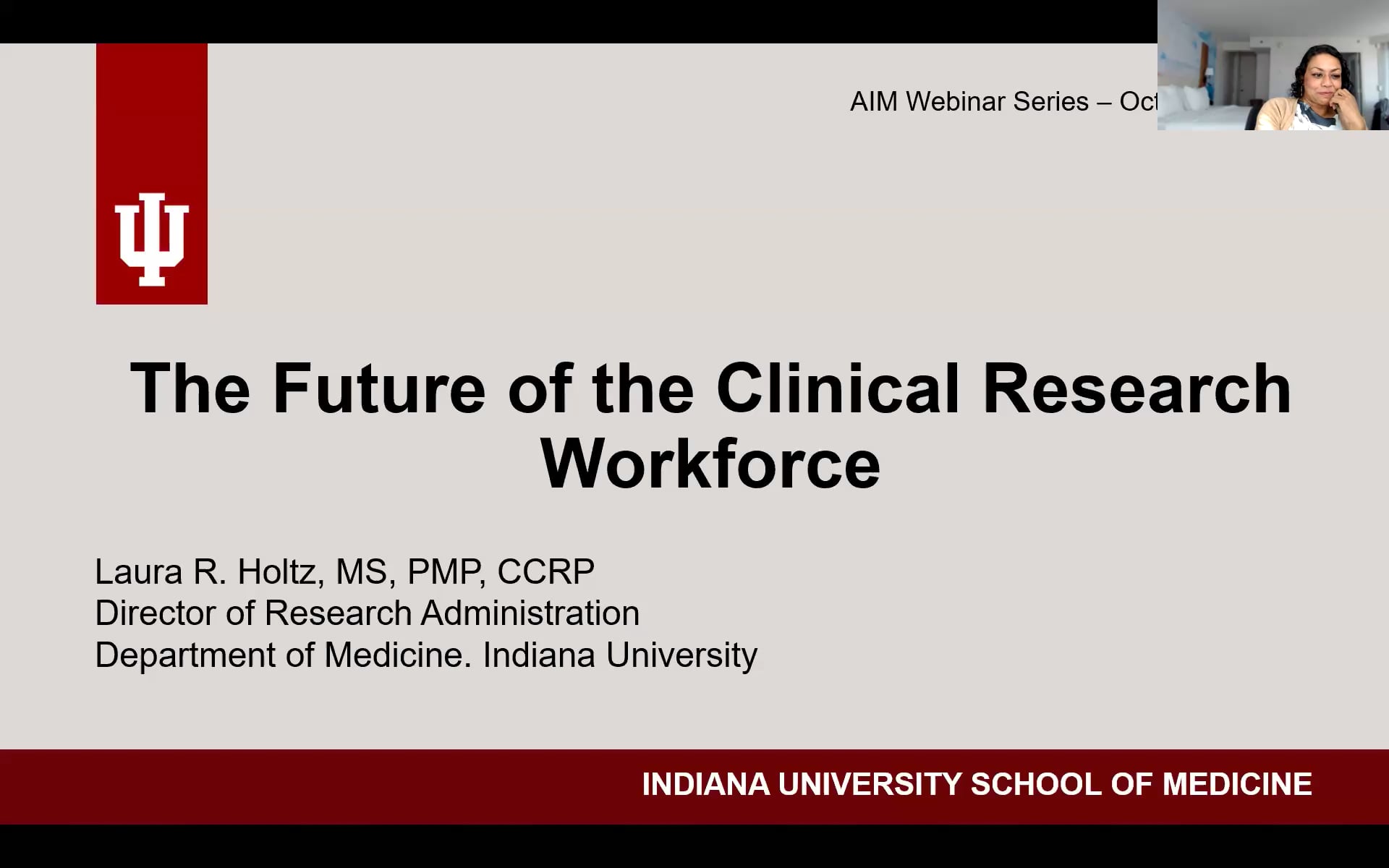
Oct 28, 2026 | 47 mins

Oct 28, 2026 | 48 mins

Oct 19, 2026 | 53 mins

Oct 15, 2026 | 54 mins
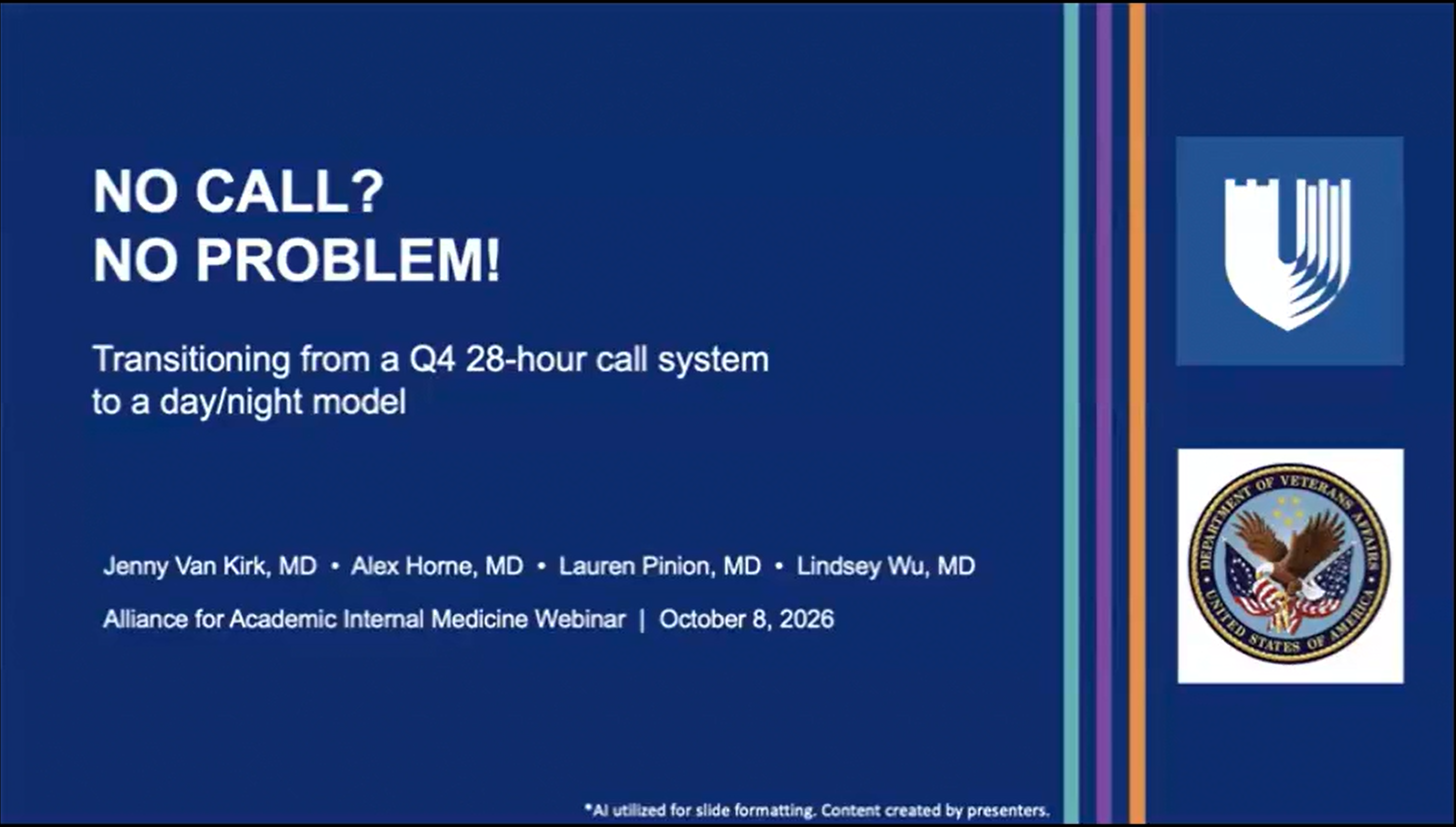
Oct 9, 2026 | 46 mins
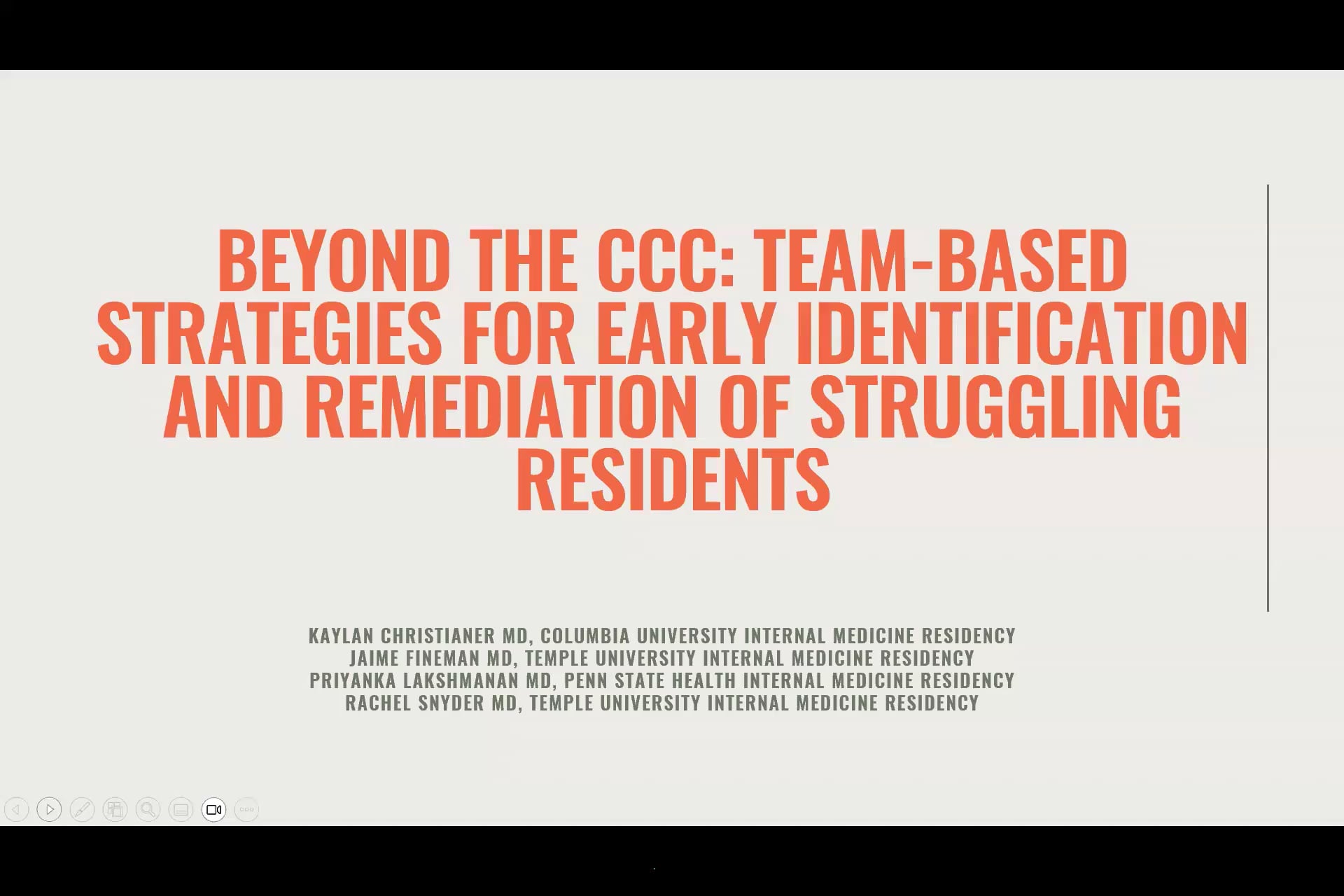

Sep 21, 2026 | 68 mins
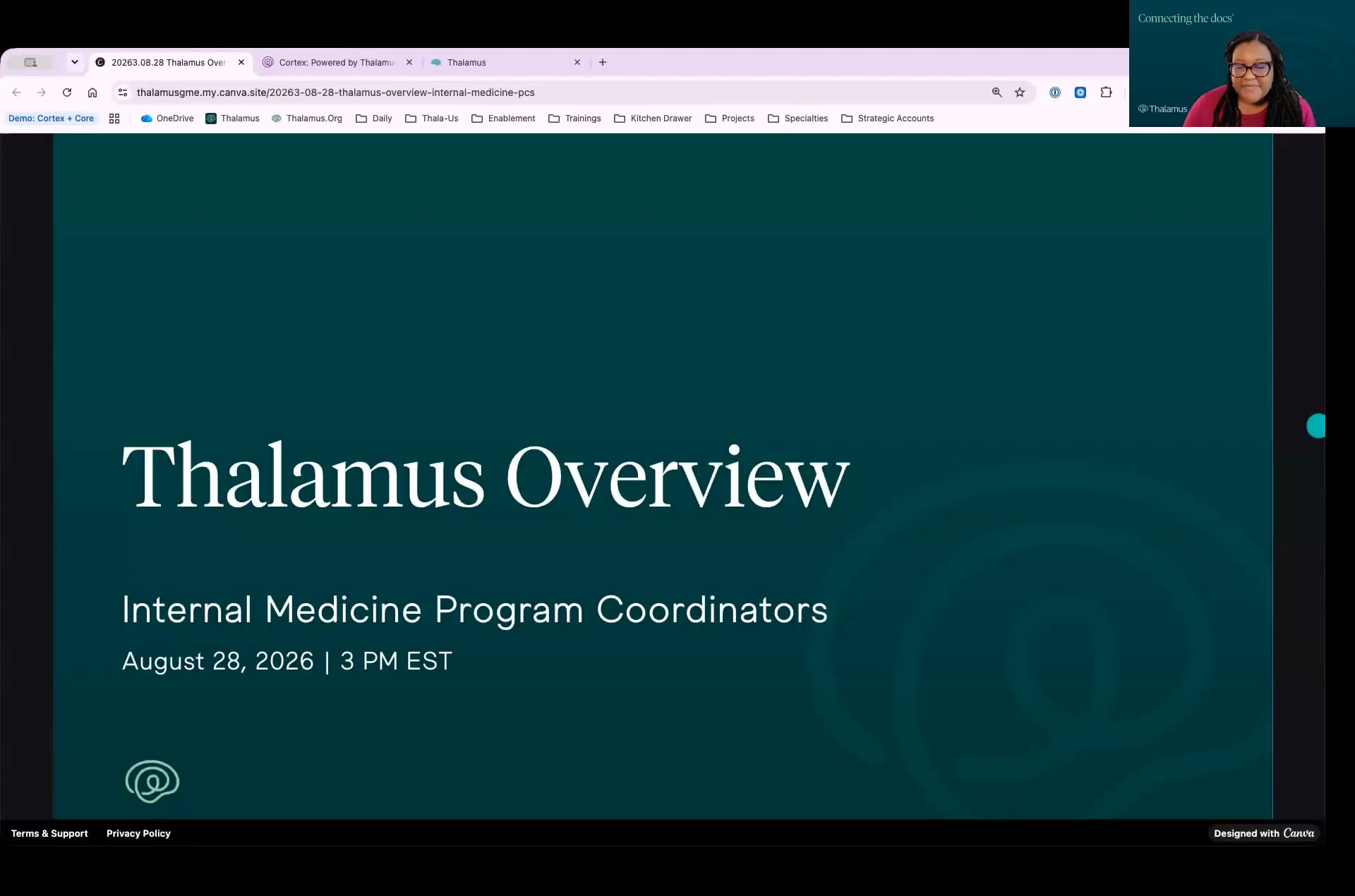
Aug 28, 2026 | 57 mins

Aug 25, 2026

Aug 20, 2026 | 50 mins
Aug 17, 2026 | 49 mins

Aug 7, 2026 | 56 mins

Jun 30, 2026 | 60 mins

Jun 8, 2026 | 62 mins

May 26, 2026 | 54 mins
Publications
The chief resident selection process: A national survey of internal medicine residency program directors
Paul O’Rourke, MD MPH, Patricia F. Kao, MD MS MHPE, Jillian S. Catalanotti, MD MPH, Erica N. Johnson, MD, Armand Krikorian, MD MBA, Christopher J Moreland, MD MPH, Ronda Mourad, MD, Brian Uthlaut, MD, Tyler J. Albert, MD
Introduction: Chief residents serve vital roles in graduate medical education (GME). Internal medicine chief residents often serve as “middle managers” of their programs, active in educational, administrative, and clinical efforts. Seventy-nine percent of internal medicine program directors report previously being chief residents, underscoring the fact that chief residents constitute an important pipeline for program leadership. Furthermore, 41% of chief residents are given an academic title (Instructor or Assistant Professor), reinforcing that the chief resident role serves a role in faculty service and possibly as an important entry point for academic medicine careers. However, there is a paucity of literature evaluating chief resident selection processes.
The objective of our study was to characterize how internal medicine programs recruit and select chief residents. Understanding the current internal medicine chief resident selection process and process outcomes may help inform future efforts to optimize and standardize selection practices to foster transparency and equity.
- Chief Resident
Privacy Policy |
Terms of Use |
Contact Us
330 John Carlyle Street | Suite 610 | Alexandria, VA 22314 | P: (703) 341-4540
© Alliance for Academic Internal Medicine. All Rights Reserved.
Web Design & Development by Matrix Group International, Inc.