Documents
Webinars


Nov 20, 2026 | 49 mins
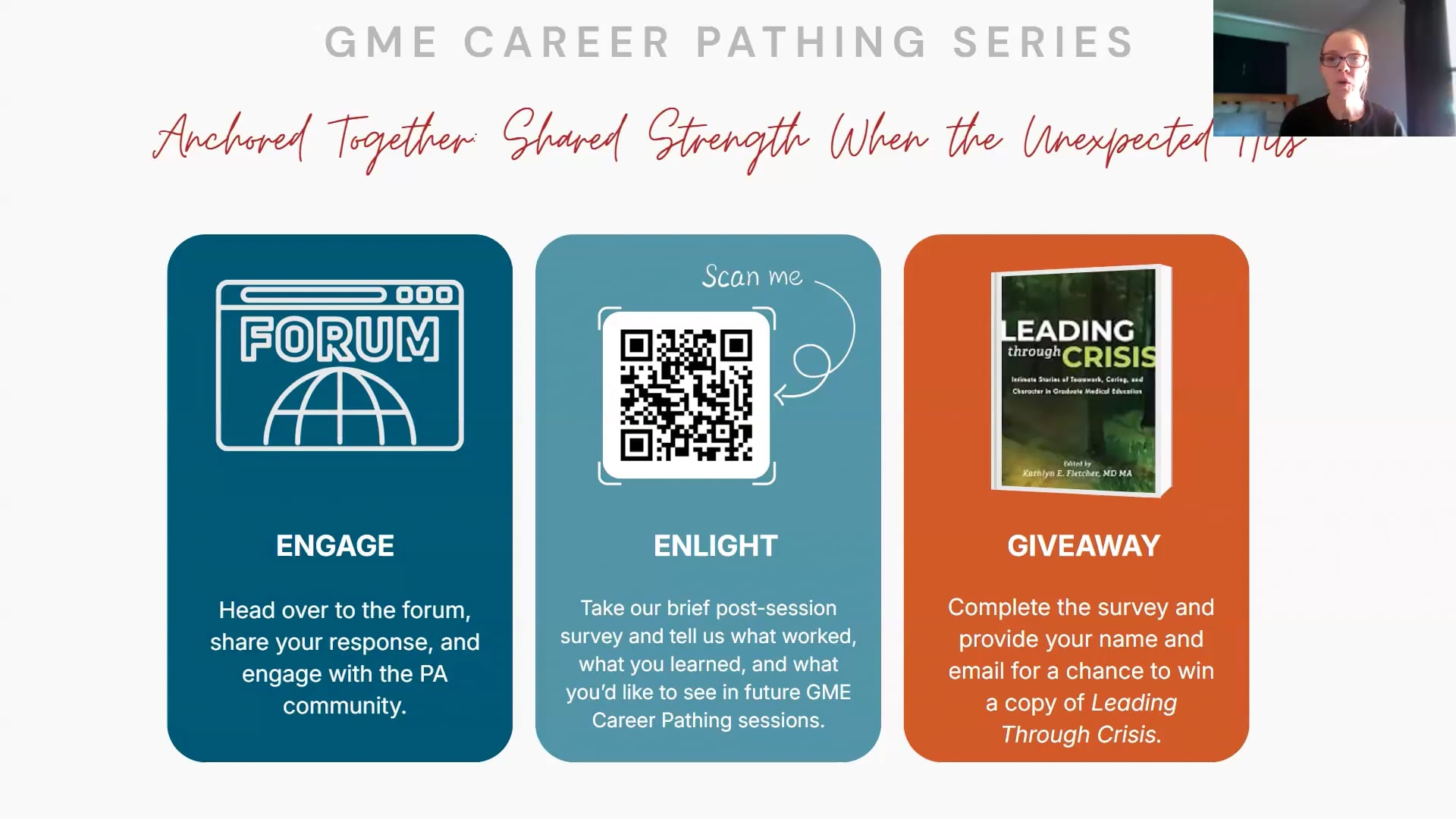


Oct 28, 2026 | 47 mins

Oct 28, 2026 | 48 mins

Oct 19, 2026 | 53 mins

Oct 15, 2026 | 54 mins
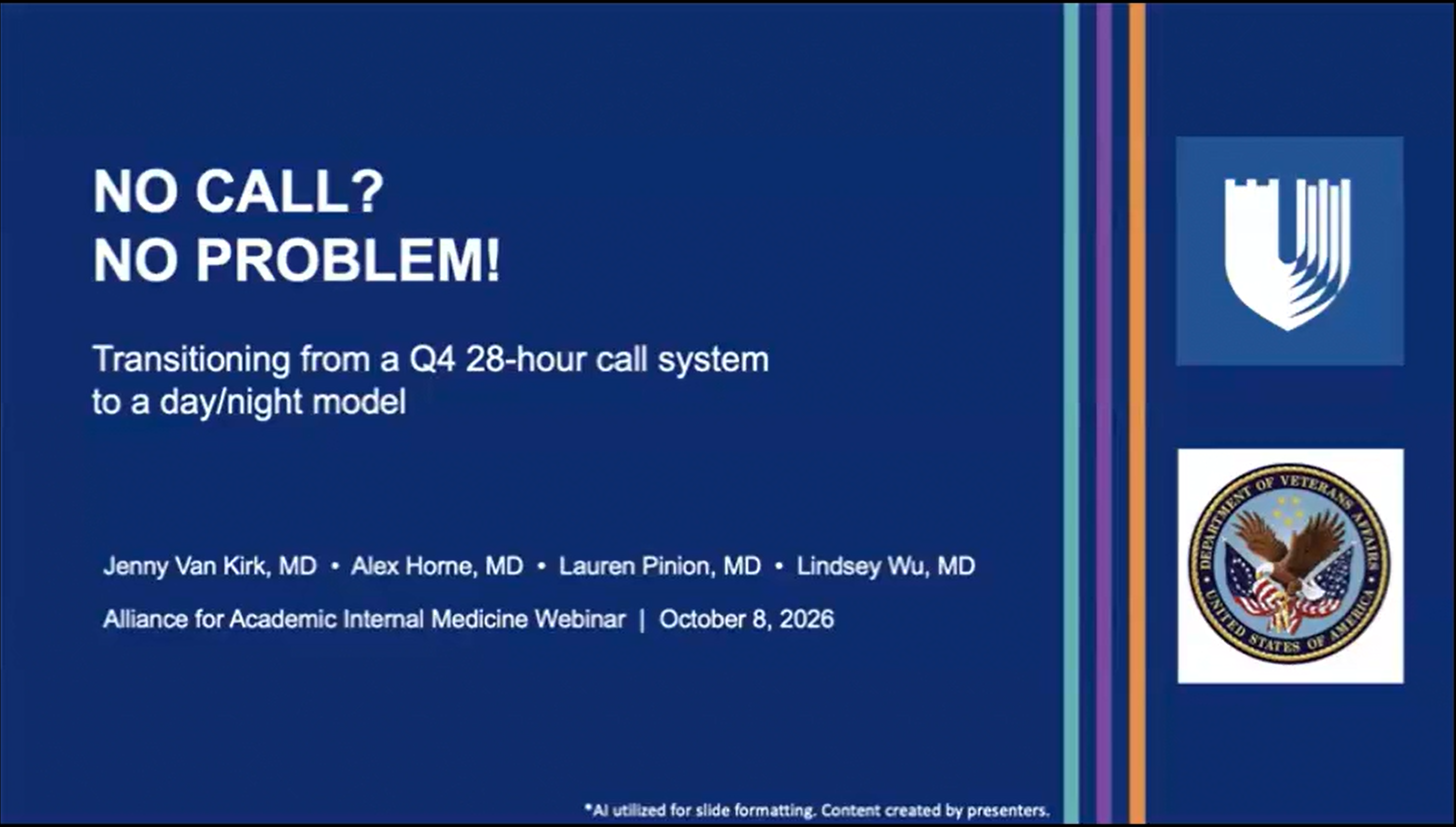
Oct 9, 2026 | 46 mins
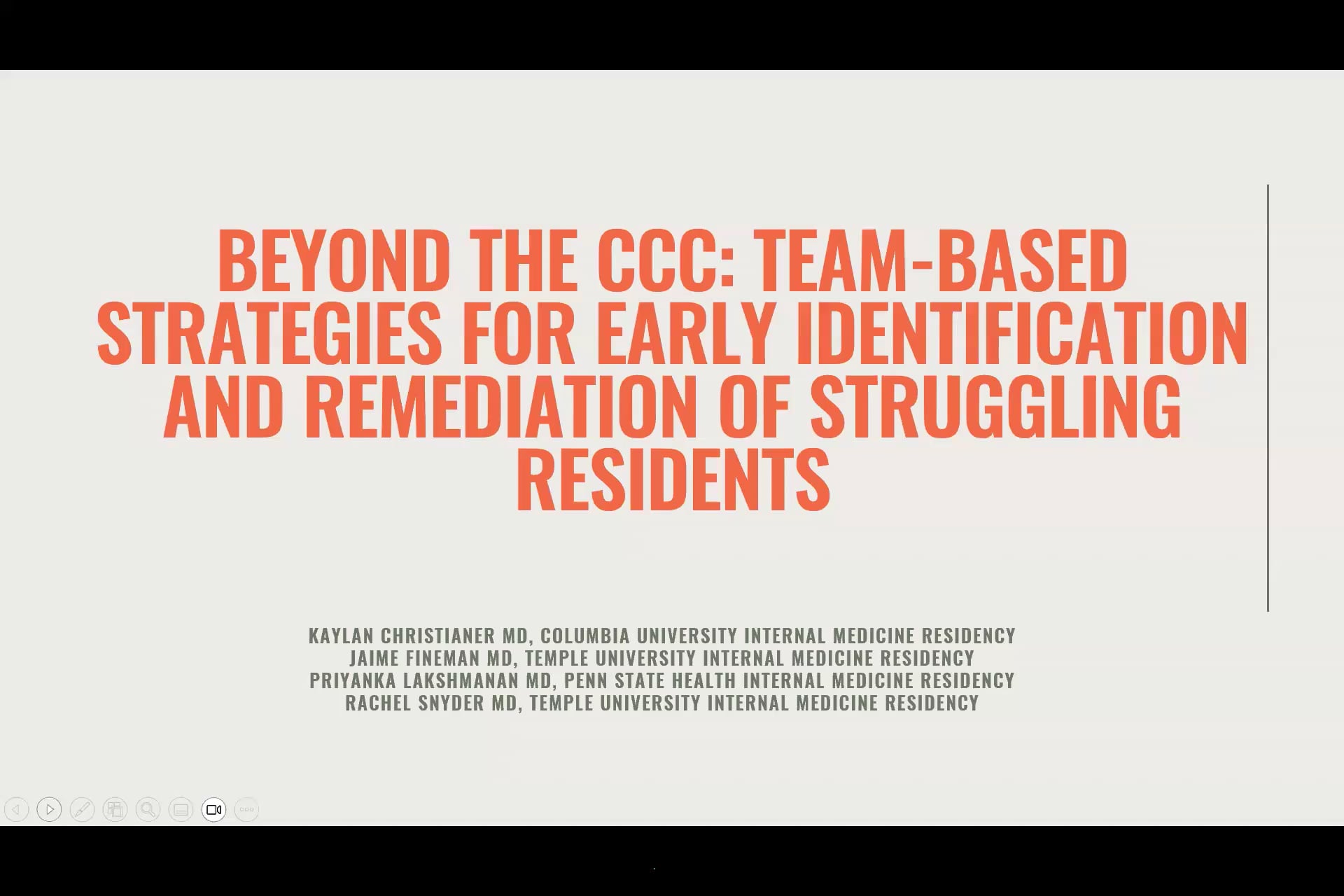
Sep 21, 2026 | 68 mins
Aug 28, 2026 | 57 mins

Aug 25, 2026

Aug 20, 2026 | 50 mins
Aug 17, 2026 | 49 mins

Aug 7, 2026 | 56 mins
Jun 30, 2026 | 60 mins

Jun 8, 2026 | 62 mins
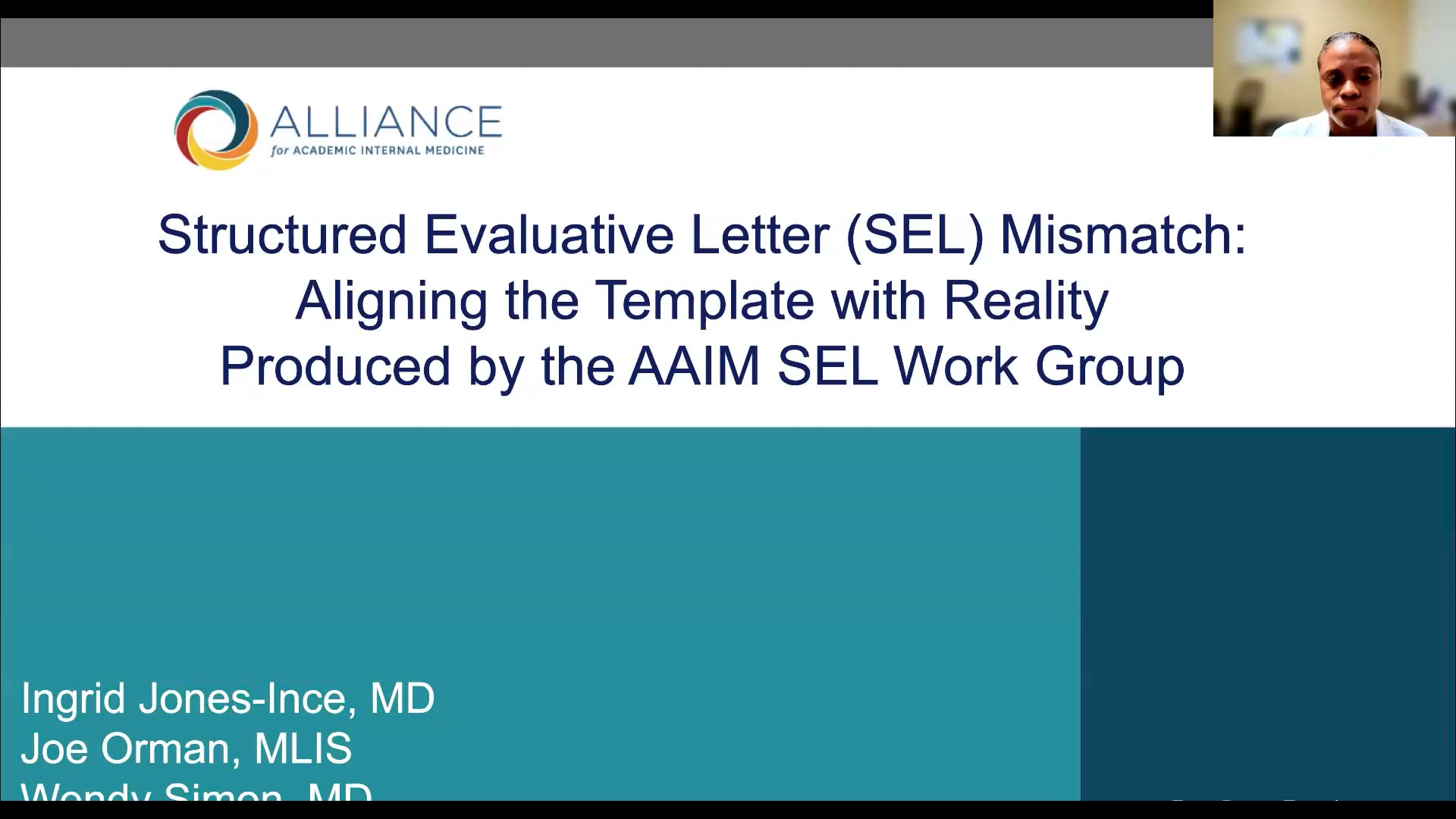
May 26, 2026 | 54 mins
Publications
Invisible labor in residency training: A perspective on hidden work and its consequences
Sohaib Irfan, MBBS, MD, Muhammad Daiem, MBBS, MD, Namirah Jamshed, MD, Hussain Khawaja, MD
Introduction:
Invisible labor (IL) is a sociological, economic, and philosophical concept describing work that is undervalued, undercompensated, and underrecognized within workplaces, families, and organizations. Arlene Kaplan Daniels first coined the term to describe work unrecognized by employers or institutions, often performed out of obligation or expectation rather than genuine choice.1
- Invisible labor encompasses several distinct categories:
- Invisible teamwork (collaborative tasks that go unrecognized)
- Invisible physical care work (office maintenance activities)
- Invisible emotional labor (supporting and mentoring colleagues)
- Invisible administrative work (material preparation and secretarial tasks)
Within the healthcare industry, IL encompasses various domains, including, but not limited to, the emotional burden of managing distressed patients and the logistical coordination for continuity of care. For instance, tasks performed outside of scheduled clinical duties fall under the umbrella of IL, including performing clinical tasks after handoff, following up on test results, and pre-rounding. While essential for continuity of patient care, these tasks often fall outside observable metrics or duty-hour surveillance.2,3
Privacy Policy |
Terms of Use |
Contact Us
330 John Carlyle Street | Suite 610 | Alexandria, VA 22314 | P: (703) 341-4540
© Alliance for Academic Internal Medicine. All Rights Reserved.
Web Design & Development by Matrix Group International, Inc.